Build in Public Highlight: Vieren and the Case for Shipping Beautiful Work
A visual look at Vieren, the hybrid creative studio turning film, photography, design, software, and unconventional ideas into work that ships.
The Portfolio That Refuses to Pick One Lane
There are creative portfolios that show you one thing they do very well.
Then there are portfolios that make you question whether the categories were ever useful in the first place.
Vieren belongs in the second group. The studio describes itself as a hybrid creative practice: film, photography, creative direction, software, automation, writing, and personal experiments, all connected by a strong point of view.
That combination is what made me stop scrolling.
The work does not feel like a collection of unrelated services. It feels like one person following the same instinct across different mediums: find an interesting idea, make it tangible, push the visual language further than necessary, and ship it into the world.
I am calling this a build in public highlight because the most interesting part is not only the finished images. It is the visible practice behind them. Vieren shows a creative career as an evolving system, where commercial work, personal projects, technical tools, and unfinished-looking experiments can all feed each other.
The project images below are reproduced from Vieren's public portfolio for editorial commentary. They remain Vieren's work; this article does not claim ownership of the images.
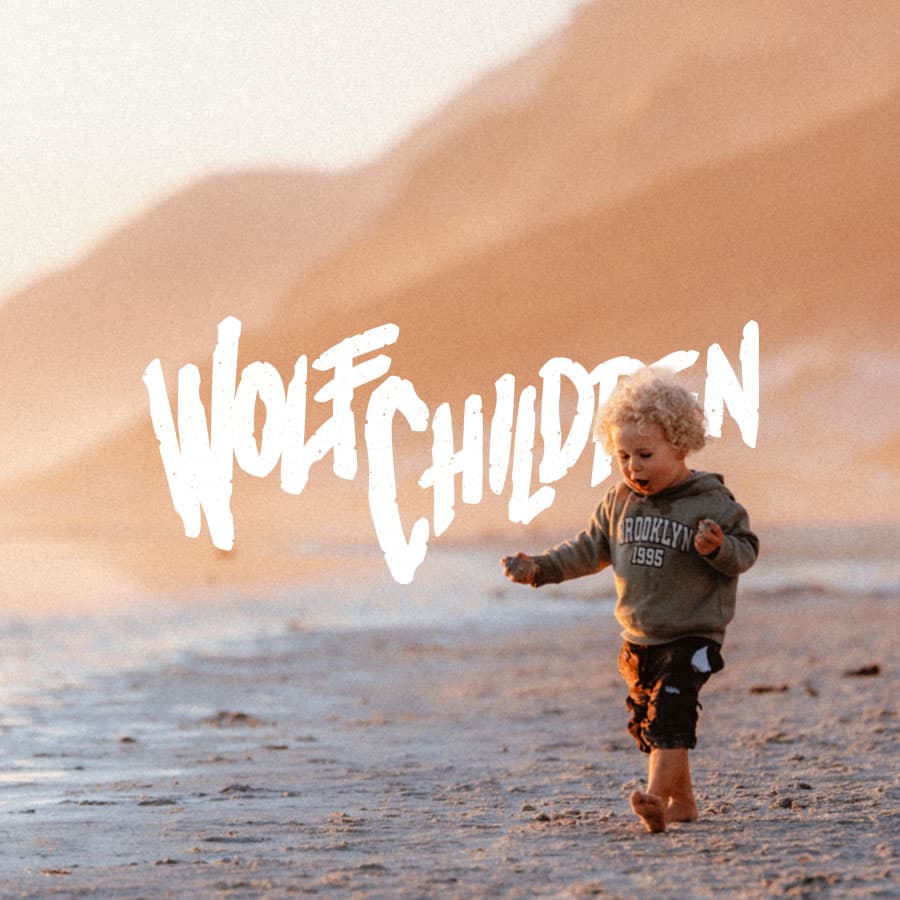
Wolf Children, listed by Vieren as a 2018 book project. Image reproduced from the official Vieren portfolio.
The Real Medium Is a Point of View
It is tempting to describe Vieren through a list of capabilities. The public site makes that easy: strategy, ideation, distribution, AI and automation consultancy, photography, video production, and bulk content production.
But a service list does not explain why the work feels cohesive.
The connective tissue is taste.
The typography is loud without becoming random. The layouts are playful but still controlled. A product concept can feel as considered as a brand film. A photography project can carry the same editorial confidence as a piece of software. The medium changes, but the decision-making does not.
That is a useful distinction for anyone building a personal brand around creative technology. Tools are easy to list. A point of view is harder to copy.
The result is a portfolio that communicates before it explains. You can understand the ambition of the studio from the composition, the pacing, the image treatment, and the refusal to make everything look like a conventional agency case study.
Never Not Shipping
The clearest expression of that philosophy is Vieren's Never Not Shipping section. It is a short, memorable title for a long-term creative habit: personal concepts do not stay trapped in the notes app.
The projects span different years and different kinds of work. A book, a fitness concept, a community, a web app, a relocation app, and an audio-first product can sit next to each other because the category is not the point. The point is that each idea has been pushed far enough to become a real artifact.
Wolf Children and the Power of a World
Wolf Children is a good example of how an image can suggest a whole world before you know the full story. Vieren's site lists it as a book project from 2018, and the visual language feels closer to a cultural object than a simple client deliverable.
That is the difference between making an image and building a universe around an idea. The image is the entry point. The real work is the atmosphere, the framing, the reason the object should exist, and the feeling it leaves after the first glance.
Apex OS and Designing for Momentum
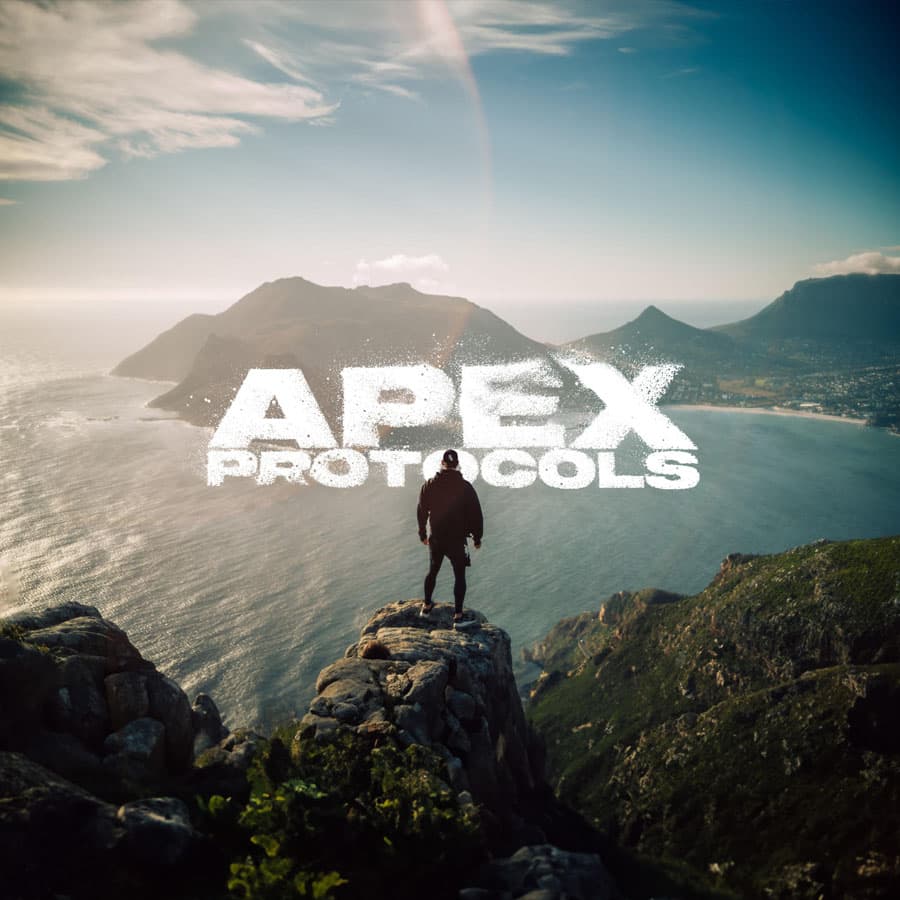
Apex OS, a 2025 fitness concept in Vieren's public project showcase. Image reproduced from the official Vieren portfolio.
The Apex OS image shows another side of the practice: designing a system with enough energy that the system itself becomes motivation.
Fitness products often fall into predictable visual patterns. Vieren's concept pushes toward something more like a culture, a ritual, or a badge of belonging. It makes the product feel like a world people might want to enter, not just a set of screens they need to operate.
This is where creative direction becomes product thinking. The interface, the naming, the imagery, and the emotional promise all need to point in the same direction. A strong visual identity does not decorate the product after the fact; it gives the product a reason to be remembered.
Lock In Season and the Energy of Community

Lock In Season, a 2025 community concept from Vieren's personal work. Image reproduced from the official Vieren portfolio.
Lock In Season feels built around a phrase people can repeat to themselves. That is a powerful design move: turn an abstract aspiration into language with enough rhythm to travel.
The project is listed as a community concept, but its visual treatment makes it feel like a campaign, a membership, and a personal challenge at once. It demonstrates how a product can begin with a mood and then use design to make that mood actionable.
Founders often begin with features because features are easier to describe. Creative work like this starts one level earlier: what should the audience feel when they encounter the project, and what kind of behavior might that feeling make possible?
Bedtime and the Case for Softness

Bedtime, a 2025 web app concept listed in the showcase. Image reproduced from the official Vieren portfolio.
Bedtime takes a quieter route. Where other concepts reach for intensity, this one understands that a product can stand out through restraint.
The lesson is not that every interface should become soft or minimal. It is that the visual language should respect the job the product is doing. A bedtime product needs to lower the pulse. It needs to make the user feel safe enough to stop scrolling.
That kind of emotional specificity is a competitive advantage. It is also difficult to achieve with a generic design system, because the system needs to begin with the human moment rather than the component library.
Meridians and Counting Sheep Club
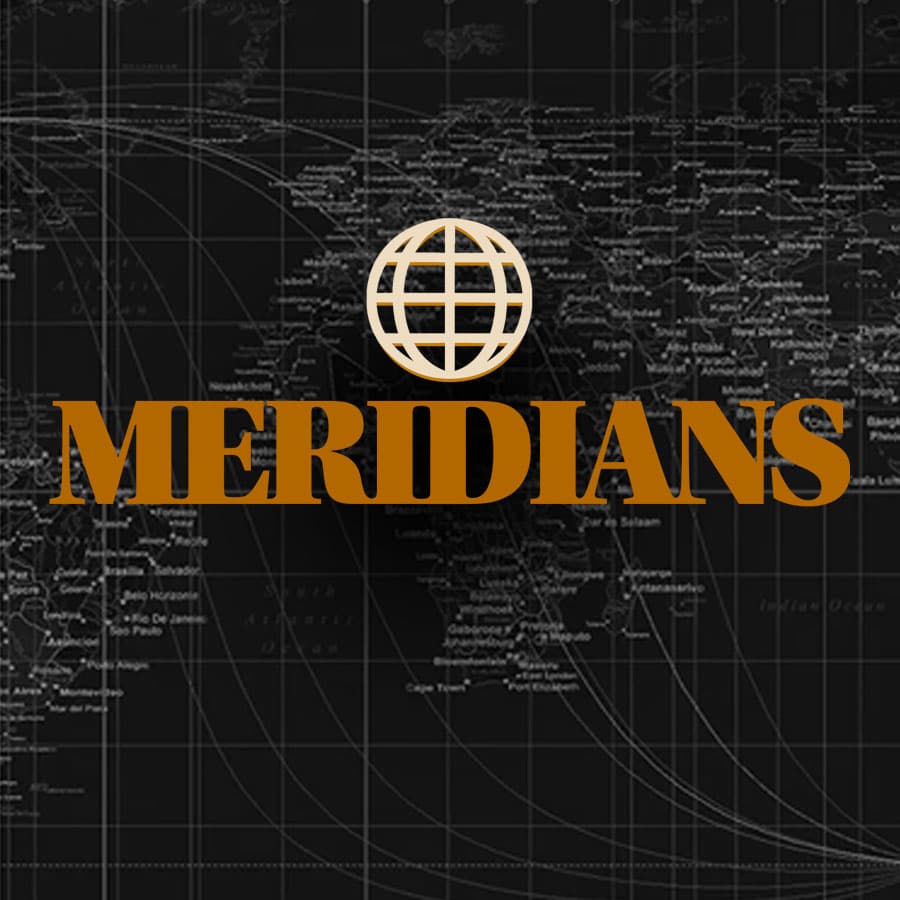
Meridians, listed as a 2026 relocation app concept. Image reproduced from the official Vieren portfolio.
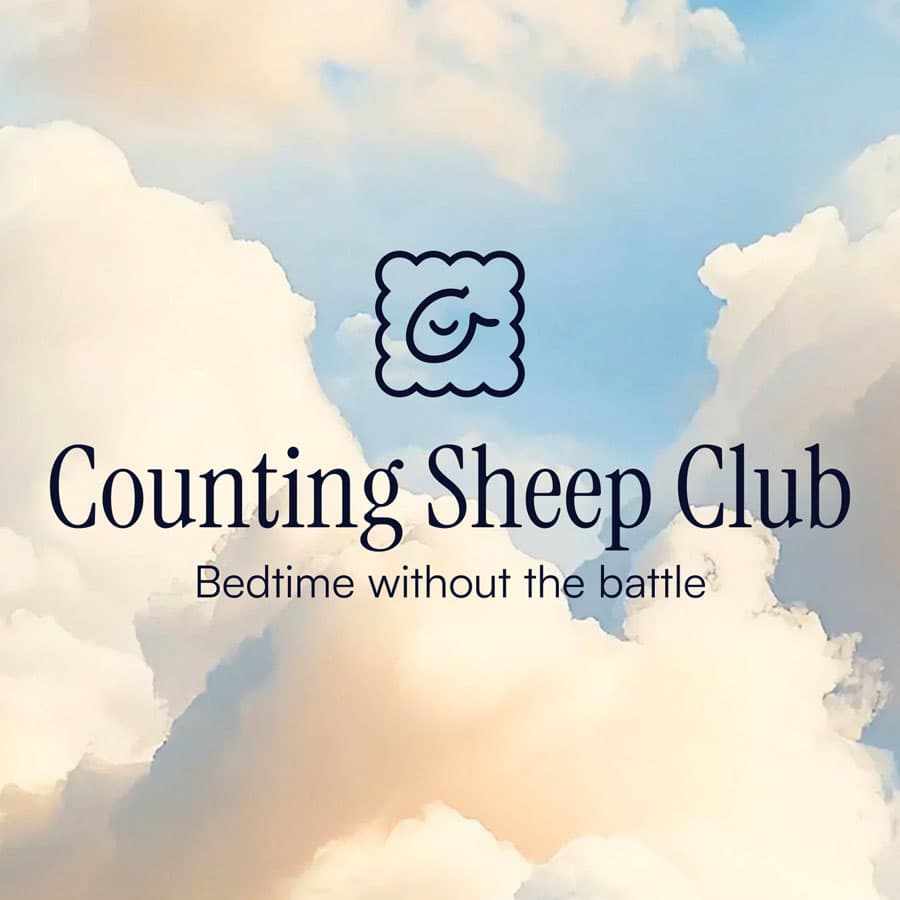
Counting Sheep Club, listed as a 2026 app concept. Image reproduced from the official Vieren portfolio.
Meridians and Counting Sheep Club make the same point from different directions: a concept becomes more convincing when it has an entire visual ecosystem around it.
The names are specific. The worlds are specific. The images do not feel like generic placeholders waiting for a product brief. They already imply users, habits, environments, and a reason to come back.
That is what shipping a concept can do. It creates something concrete enough for other people to react to, share, critique, or build on. The artifact becomes a conversation starter.
From Camera to Code
Vieren's public origin story makes the range feel less like a sudden repositioning and more like a long accumulation of practice.
The timeline starts with a first video camera, moves through digital photography and cameras used for action sports, and includes touring with Steve Aoki, commercial work, and a coffee table book. The studio's current mix of filmmaking, photography, product concepts, and automation is not a rejection of that past. It is the next layer on top of it.
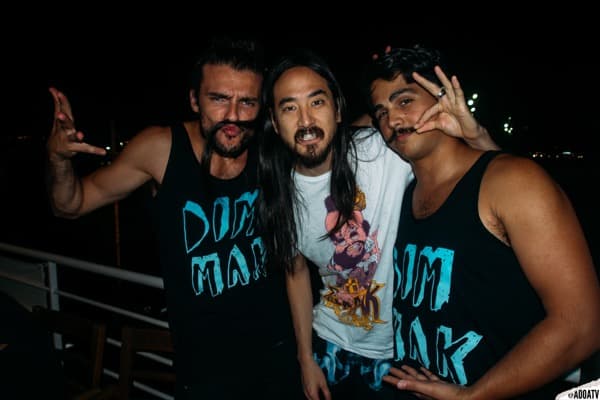
A live-music image from Vieren's public origin story. Image reproduced from the official Vieren portfolio.
The interesting creative advantage here is not simply knowing how to use more tools. It is knowing how each tool changes the way an idea can be expressed.
A camera teaches timing, framing, movement, and attention. Design teaches hierarchy, systems, and visual memory. Code teaches iteration, interaction, and the ability to turn an idea into a living thing. When those skills overlap, the output can feel unusually complete because the concept is being considered from several angles at once.
This is also why the “creative developer” label is often too narrow. A person can write code and still think like a filmmaker. They can direct a commercial and still prototype like a product designer. The best work happens in the overlap.
Commercial Work With a Personal Engine
Vieren's portfolio also includes commercial and campaign work for brands such as Samsung, The North Face, Steve Aoki, Levi's, Red Bull, and National Geographic, alongside film work for products and sports.
The important detail is how that commercial work sits next to the personal projects. It does not feel like one side is the polished professional version and the other is an unrelated hobby. The personal work appears to be where new visual instincts are tested, while the client work gives those instincts a real audience and real constraints.
That loop is a better definition of building in public than simply posting progress updates. You build something, publish it, learn what the response tells you, and let the next experiment carry the lesson forward.
The same loop appears in the product stories I have written about elsewhere. Bloghandler looks at the system around publishing and discovery. Flowsery asks which activity is actually connected to outcomes. Vieren's version is visual: which ideas are worth making, and what happens when you make them public before they are perfectly safe?
Creative Direction as a System
The most compelling thing about Vieren is that the work is not only visually strong. It is systemically coherent.
The site itself behaves like a creative artifact. It uses motion, type, contrast, playful interactions, and a sequence that makes browsing feel closer to entering a studio than reviewing a rate card. The portfolio is not an index of links; it is part of the pitch.
That is a high bar for any creative business, but it is especially relevant for independent makers. Your website is often the first piece of work people experience from you. If it looks generic, the viewer has to take your word for the quality of everything else. If the website has a clear point of view, the work begins before the case study starts.
This is where I see a connection with my SEO basics guide. Search optimization should not flatten a brand into a row of keywords. The page still needs a real subject, a useful structure, and a reason to be remembered. Vieren shows the visual version of that principle: clarity does not require sameness.
Automation Without Losing the Human Part
Vieren's case-study section adds another layer: AI and automation consultancy for founders who need a creative operator, not another agency.
That positioning is interesting because it treats automation as part of the creative practice rather than its opposite. The goal is not to automate taste. It is to automate the repetitive steps that prevent a good idea from getting made consistently.
The same principle appears in the studio's descriptions of content automation, pipelines, custom workflows, and bulk production. One edit can become many variations. A system can make distribution repeatable. A founder can spend more attention on the idea itself instead of rebuilding the machinery around it every week.
There is a boundary worth protecting, though. Automation should remove friction, not remove authorship. The strongest version of this model leaves the human in charge of the concept, the standard, the final cut, and the decision about what deserves to exist.
That is a useful counterpoint to the “content machine” mindset. More output is not the same as more meaning. The system only helps when it makes room for better decisions.
What I Am Taking From Vieren
I take three lessons from Vieren's work.
First, a niche can be a way of thinking, not only a service category. Film, design, software, photography, and strategy can belong together when the underlying taste is consistent.
Second, personal projects are not a distraction from commercial work. They are a laboratory. They give you space to try visual languages, product ideas, and storytelling structures before a client brief demands them.
Third, shipping is part of the craft. A beautiful idea that never becomes an image, a prototype, a film, a book, or a site is still only potential. The act of finishing gives the idea a chance to meet the world.
That last lesson is the one I keep returning to. It connects to Wysera's highlight from a different angle: protecting attention matters because the work needs enough uninterrupted time to become real. It also connects to RedReplier's highlight: distribution is not an afterthought when the goal is to put good work in front of the right people.
Final Thoughts
Vieren is a reminder that a creative practice does not have to choose between taste and technical range.
The strongest work can be cinematic and systematic, weird and useful, polished and still willing to experiment. It can come from a client brief, a personal obsession, a camera, a code editor, or a half-formed idea that would be easier to ignore.
What matters is the discipline to give the idea a shape and then let it leave the studio.
That is why the portfolio stands out. It does not only show what Vieren can make. It shows what happens when someone keeps making, keeps learning, and keeps shipping beautiful work across the boundaries between mediums.
Resources and Links
- Official portfolio: Vieren
- Articles: Vieren Articles
- Contact: hello@vieren.studio
- Related reading: SEO Basics Guide, Bloghandler highlight, Flowsery highlight, Wysera highlight, and RedReplier highlight
Connect with me
Follow my journey building in public, sharing insights about development, and creating products.